FBR Confiscated Vehicles Policy 2026: A Complete Guide for Pakistan
The Pakistan's Federal Board of Revenue has introduced a major new policy in April 2026. It is called the FBR Confiscated Vehicles Policy 2026. Under this policy, FBR is now allowed to use tampered vehicles that was seized. These vehicles will be used for official anti-smuggling work. This is a big change. Before this, such vehicles just part in storage. Now they will be put to active use. Let us explain this policy in simple words.
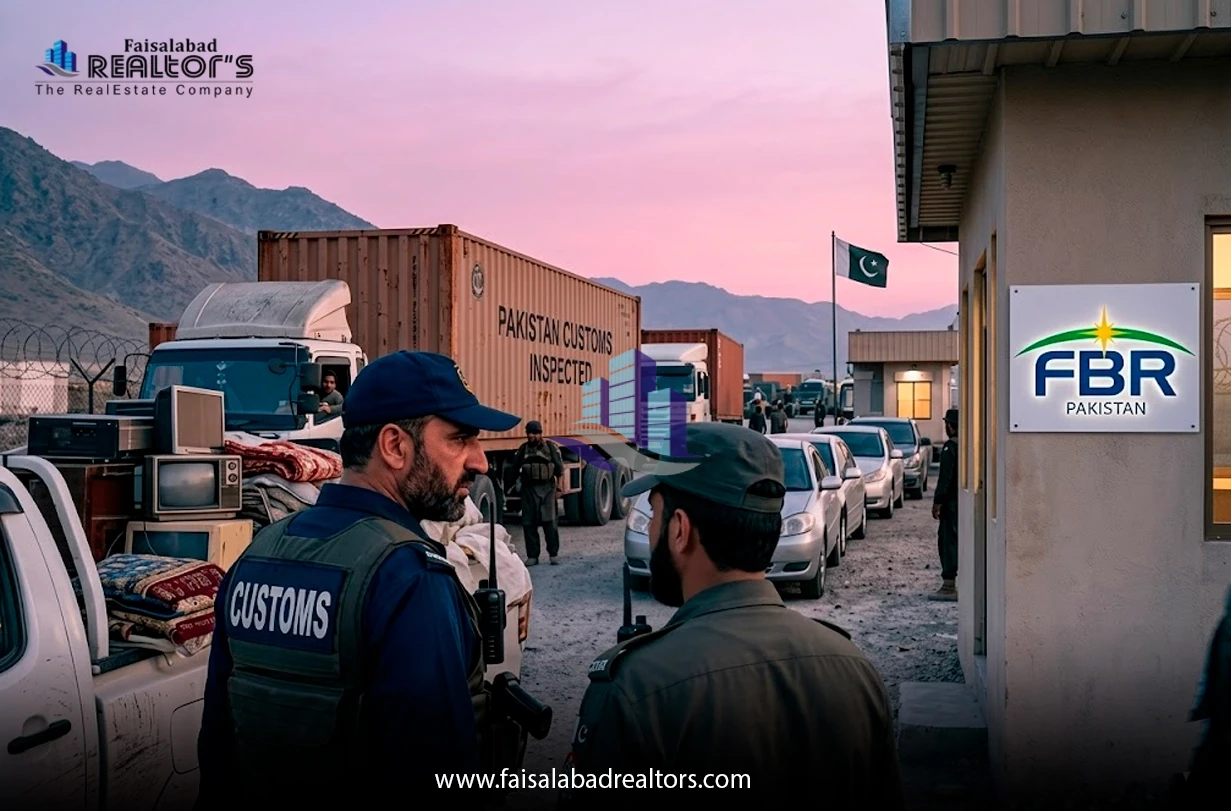
What Is the FBR Vehicle Policy Pakistan 2026?
The FBR vehicle policy Pakistan 2026 allows customs officials to use confiscated vehicles for their operations.
Aspect | Details |
Policy Name | FBR Vehicle Policy Pakistan 2026 |
Authority | Federal Board of Revenue (FBR) |
Main Rule | Customs officials can use confiscated vehicles for operations |
Vehicle Type | Seized vehicles due to smuggling or tampering |
Purpose | Use in enforcement and anti-smuggling activities |
Previous Status | Vehicles were unused or wasted |
New Change | Vehicles will now be used by FBR |
Legal Order | Customs General Order 04 of 2026 |
Effective Date | April 1, 2026 |
What Are Tampered Vehicles?
A tampered vehicle is a car or truck whose chassis number has been changed or cut and welded. This is done to hide the real identity of the vehicle. Such vehicles are usually smuggled into Pakistan illegally. Under Tampered Vehicles Law Pakistan, these vehicles cannot be sold to private individuals. FBR seizes them and now, under this new policy, uses them for government work.
Which Vehicles Are Included?
Only vehicles with an engine size above 1800 cc are covered under this policy. These are mostly luxury cars and large vehicles. Smaller vehicles are not included.
The types of vehicles covered include:
Vehicle Category | Details |
Luxury Cars | Above 1800cc with tampered chassis numbers |
Public Transport Vehicles | Buses, coasters, and vans seized during smuggling operations |
Anti-Smuggling Vehicles | Previously seized vehicles now used by FBR for operations |
Who Can Use These Vehicles?
Not everyone can use these vehicles. The policy strictly defines who gets access.
1. Anti-Smuggling and Enforcement Units
The main users are FBR anti-smuggling teams. These are the enforcement units that fight smuggling across Pakistan.
2. Hard-Area Customs Formations
These vehicles will also go to customs officers working in tough border areas. This includes teams under the Chief Collectors of Customs in:
- Balochistan: Gwadar, Gabd (Border Point 250), Mand, Panjgur, Taftan, Katagar, Dalbandin, and Chaman
- Khyber Pakhtunkhwa: Angoor Ada, Ghulam Khan, Kharlachi, Torkham, Gilgit and Sost.
- Transit Trade formations and other designated border stations
How Will Vehicles Be Allocated?
Under Customs vehicle policy Pakistan, the allocation process is very structured:
- Customs Wing formations get top priority under Section 182 and Section 187A of the Customs Act, 1969
- Each department must submit a detailed proposal to justify their vehicle needs.
- A special committee headed by the Member (Customs Operations) will approve all requests.
- Departments must conduct quarterly reviews of their fleets.
- If a vehicle is no longer needed or not used for road, the department must return it
Digital Tracking of Confiscated Vehicles
Transparency is a key part of this policy. The Customs Wing will create a digitized database to track all confiscated vehicles. This system will record:
- Full vehicle details and condition
- Forensic reports and chassis plate data
- Photographs of each vehicle
- Litigation status of each vehicle
The Cabinet Division will also have direct access to this database. This ensures the government can monitor how these vehicles are being used.
Can These Vehicles Be Sold?
There are very strict rules about selling confiscated vehicles Pakistan:
- No private individual can buy a tampered vehicle under any condition
- Only government and semi-government departments can purchase them
- Buses, coasters and vans that cannot be sold may be transferred free of cost to government-owned educational, medical and scientific institutions
- This transfer requires written approval from the relevant ministry
Note: These rules are in place to avoid misuse and make sure the vehicles stay in public use.
Why Is This Policy Important?
The FBR Confiscated Vehicles Policy 2026 is important for several reasons:
- Cost savings: FBR does not need to buy new vehicles for its teams
- Better enforcement: Officers in remote border areas get powerful vehicles for patrolling
- Less waste: Seized vehicles that were sitting idle are now put to work
- Transparency: A digital tracking system ensures no misuse
- Stronger anti-smuggling: Teams in tough areas like Balochistan and KP get better resources
Final words
The FBR Customs General Order 4 2026 is a smart and practical step. It turns seized luxury cars into working tools for the state. The policy is clear and structured. Under this Customs vehicle policy Pakistan, no private person can benefit from tampered vehicles. All confiscated vehicles will only serve the public, either in anti-smuggling operations or in schools and hospitals. This is a positive development for Pakistan's fight against smuggling and illegal trade.
If you're interested in any property sale or purchase, do contact us. We provide the best real estate services in Faisalabad.
Contact us for:
House for sale
House for rent
Room for Rent
Flat for Rent
Ideal Farm House
Commercial Avenues