The Story Behind Pakistan's Independence on 14 August 1947
Every August, the whole country comes alive. Flags on cars, green and white lights strung across streets, kids waving little paper flags outside their homes. It's easy to get caught up in the celebrations and forget just how much history sits behind this one date. So here's the real story of what happened on 14 August 1947, told simply, the way it actually unfolded.
What Happened on 14 August 1947
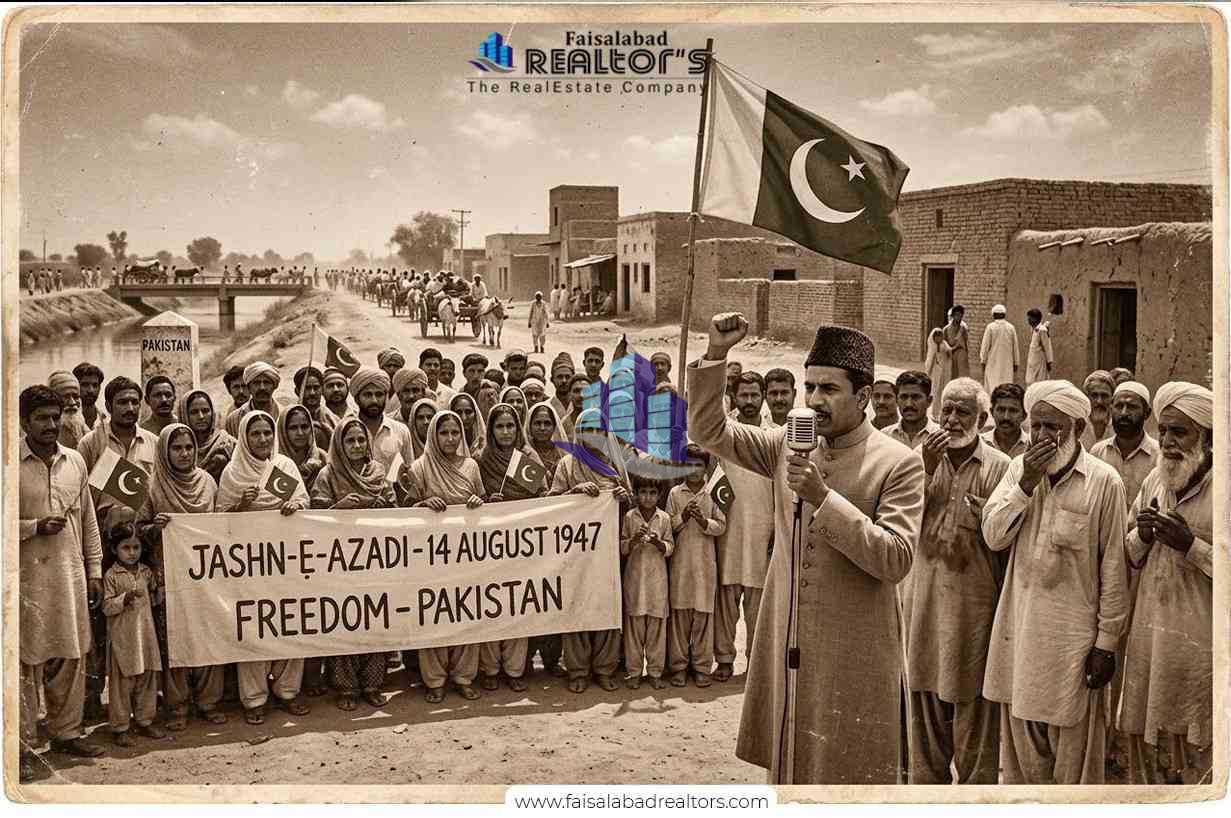
On 14 August 1947, Pakistan finally gained independence after nearly 100 years under British rule. This event did not come about overnight; for years before that day came, Muslims in the subcontinent had been demanding their own homeland where they could practice their culture and beliefs freely without being constantly outnumbered or overruled. Following an exhausting political battle that demanded realization, their demand eventually became reality.
Pakistan was not simply another change of leadership or administration on August 14th 1947; rather it marked the dawn of something entirely new. A country established from scratch, giving rise to new identities for those living through it all.
Why a Separate Country Was Needed
If you look into Pakistan's independence history, the story doesn't start in 1947. It goes back decades earlier. British India was made up of many different communities, but Hindus and Muslims were by far the two largest. Over time, a lot of Muslim leaders started worrying that their culture, rights, and way of life just wouldn't be safe in a system where they'd always be the minority.
That worry is really where the idea of a separate Muslim state came from. In 1940, a resolution was passed in Lahore asking for independent states for Muslims in the areas where they were already the majority. A lot of people point to this as the actual beginning of the story of Pakistan.
The man driving this movement was Muhammad Ali Jinnah, who Pakistanis now call Quaid-e-Azam , meaning " Great Leader ." Without his stubbornness and clarity of vision, it's hard to say if any of this would have happened the way it did.
When Was Pakistan Founded
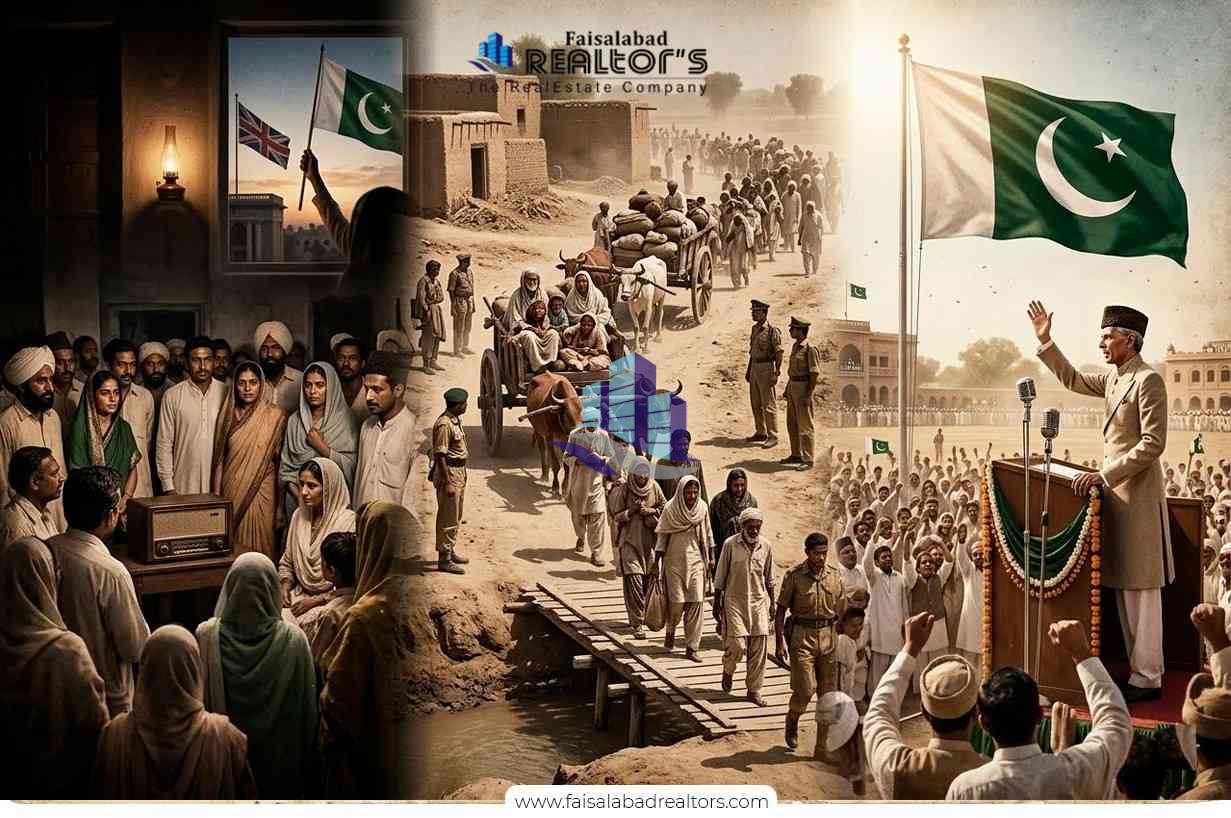
So, when was Pakistan founded, exactly? 14 August 1947. That's the day British rule officially came to an end and power was handed over to the new government. India became independent the next day, on 15 August.
Pakistan didn't start out as one connected piece of land either. It was split into two, West Pakistan (the country we know today) and East Pakistan, with over a thousand miles of Indian territory sitting in between them. East Pakistan eventually broke away and became Bangladesh in 1971.
Pakistan Independence Day Year: A Turning Point
1947, the Pakistan Independence Day year, is one of those years that changed everything for South Asia. It marked the end of colonial control and the beginning of people governing themselves. But that freedom came at a real cost, and a heavy one.
Splitting British India into two countries, what we now call Partition, threw everything into chaos almost instantly. Somewhere between 10 and 15 million people packed up and left their homes, Muslims moving toward Pakistan, Hindus and Sikhs moving toward India. It's still considered one of the largest migrations of people in human history, and it wasn't a peaceful one. Families got separated. Violence broke out in city after city, village after village.
Even with all that pain, for millions of people the birth of Pakistan meant something they could finally hold onto: a place to belong, and a real shot at a better life.
The Tragedy of the "Ghost Trains"
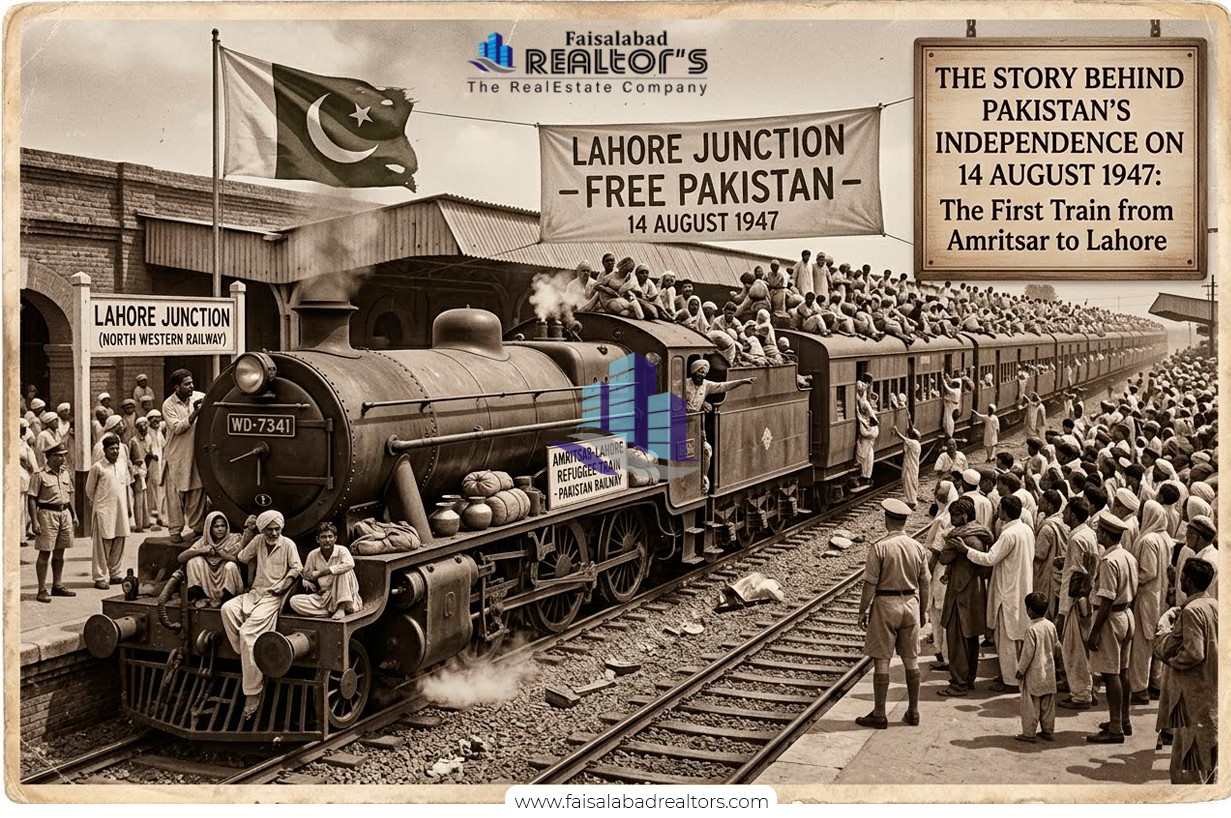
One of the hardest parts of this story to read about is what became known as the "ghost trains." Muslim families would board trains in India, hoping to reach Pakistan safely. Many never made it. Some trains pulled into the station with every single passenger already dead, attacked somewhere along the tracks. The same thing happened in reverse too, to trains carrying Hindus and Sikhs heading into India.
It wasn't just trains, either. Refugees walking on foot or traveling by bullock cart, in long lines called kafilas , were attacked while trying to cross the new border. East Punjab in particular saw some of the worst of it, with entire villages caught up in the violence.
Delhi wasn't spared either. Its Muslim population faced brutal attacks, and thousands of people ended up sheltering in places like Purana Qila (Old Fort) and Humayun's Tomb, which turned into overcrowded refugee camps almost overnight.
Nobody really agrees on an exact death count. Records from back then were messy and incomplete. Most historians put the number somewhere between 500,000 and 1 million people, across all communities. What's not up for debate is that independence, for all its joy, came bundled with an enormous amount of human suffering, something people still remember every August alongside the celebrations.
How Independence Day Is Celebrated Today
Nowadays, Independence Day celebrations in Pakistan are vibrant and full of energy. The day begins with flag-hoisting ceremonies at government buildings, then the playing of the national anthem on TV screens or at school assemblies, until nightfall when fireworks light up the skies and streets are decorated with lights, flags, and buntings in green and white colours.
Minar e Pakistan in Lahore draws large crowds for good reason: it marks the location where the 1940 resolution to declare independence was signed into law. People flock there in memory of all those involved - both leaders and commoners alike, who made independence possible in the first place.
Schools, offices, and news channels all participate by sharing stories from the freedom movement and honoring those who endured it.
Why This Day Still Matters
The story of Pakistan isn't just something written in a textbook. It's a reminder of what people were willing to go through for the chance at a free life. Every 14th of August, Pakistanis look back at that whole journey, from a dream on paper to an actual country on the map.
Knowing this Pakistan independence history puts things in perspective. It shows just how much freedom actually costs. And it connects younger generations to where they came from, and to everything that was given up to get them here.
Conclusion
The story behind Pakistan's independence on 14 August 1947 comes down to determination, unity, and sacrifice. From the early political movements, through the painful days of Partition, to a day now filled with celebration, this history still means something to people. As Pakistan keeps moving forward, the spirit of 14 August sticks around too, a reminder of what freedom really means and what it took to get there.
If you're interested in any other property sale or purchase in Faisalabad, do contact us . We provide the best real estate services in Faisalabad.
Contact us for:
- House for sale in Faisalabad
- Room for sale in Faisalabad
- Flat for Rent in Faisalabad
- Factories for sale in Faisalabad
- Plots for sale in Faisalabad
- Agriculture land for sale in Faisalabad
- Ideal farmhouse for sale in Faisalabad
- Residential properties for sale in Faisalabad
- Commercial properties for sale in Faisalabad