Property Partition Law in Pakistan: Legal Process, Joint Property Division and Court Procedure

Sometimes, the same property is owned by more than one person in Pakistan. This can happen when a father dies and leaves his house for their children. Or when two people buy property together. When these people disagree and cannot work together, they need to divide the property. This division is called partition.
After this act, every person has their own separate property. In this guide, we will discuss the property partition law in Pakistan, the legal process and more.
Why Do People Need a Partition of Property?
Here are the most common reasons:
- Families fight for their property rights left by their parents.
- From a partnership, one person wants to sell, but the other is not agreed.
- Someone buys a share in a property and wants it separated.
- Inheritors want their own individual piece after a family member dies.
e.g: A father dies. He leaves one house to his three sons. Two sons want to sell the house. One son wants to keep it. They cannot agree. So they go to court for the legal division of joint property. Each son then gets his own separate share.

Joint Property Division in Punjab: Province-Wise Guide
The process of joint property division in Punjab is different from the other provinces. Here is a simple comparison:
Region | Explanation |
Punjab | The 2012 law speed up the process. It is the most detailed law for Property partition in Punjab, Pakistan. |
Sindh, KPK, Balochistan | The old Civil Procedure Code is used in these provinces. This is almost the same, but the process can be slow. |
Farmland | For agricultural land, local revenue officers are also involved in the process. The rules are slightly different compared to city properties. |
The partition of property law in Pakistan gives every co-owner the right to demand their share. No one can stop you from claiming what is legally yours.
Legal Process of Property Partition: Step-by-Step Guide
This section explains the full legal process of property partition from start to end. Follow these steps to protect your rights.
Step 1: Check Who Owns the Property
First, look at the legal document of the property. Find out the names of all owners. If the property came from an inheritance, collect the legal papers.
Step 2: Talk to All Owners First
Before going to court, sit down with all co-owners and talk. If everyone agrees on how to divide, you can sign a Partition Deed. Get this deed registered at the local office. This saves time and money. No court needed.
Step 3: Send a Legal Notice
If the discussion does not work, send a written legal notice to all owners. It will tell them, they have to divide the property. Keep a record that they received it.
Step 4: Procedure of Court for Property Partition
In case there is no response to the notice, file a case in the Civil Court. This is the start of the formal court procedure for property partition. This court must be in the same city or district where the property is located.
Bring these papers with you:
Paper | Why It is Needed |
Title Deed / Registry | Shows who owns the property |
CNICs of all owners | To confirm identities |
Legal Notice | Proof that you asked for a partition |
Inheritance or Family Papers | Shows who is the legal owner |
Land Records | Shows details of the land |
Old Partition Deeds (if any) | Any earlier agreements on the property |
Step 5: Court Calls All Owners
After you file the case, the court sends notices to all other owners. It asks them to come to court. If all notices are ignored, the court decides the case in their absence.
Step 6: Ownership Dispute (If Any)
Sometimes one person says, this property is not yours. In that case, the court first decides who is the real owner. After that, it moves forward for dividing the property.
Step 7: Payment for Using Someone Else's Share
If one owner is using the whole property alone, without giving others their part, the court can order him to pay money to the other owners. This payment is called Mesne Profits.
Mesne Profits: نوٹ
کا اردو میں مطلب "متوسط منافع" یا "غاصبانہ قبضہ کے دوران حاصل ہونے والا منافع" ہے۔ یہ وہ رقم یا فائدہ ہوتا ہے جو کوئی شخص کسی جائیداد پر غیر قانونی قبضہ کر کے حاصل کرتا ہے۔ قانون کے مطابق ایسے شخص کو یہ منافع اصل مالک کو واپس کرنا پڑتا ہے۔
It covers the time he used someone else's share. This amount is cut from his own share at the end of the case.
Step 8: A Helper is Appointed to Divide the Property
If all owners agree, the court appoints a person called a Referee. This person visits the property, checks it and suggests a fair way to divide it. The referee sends his suggestion to the court. The court checks it and approves it.
Step 9: Property is Divided or Sold
- If the property can be divided physically, like a big plot of land, each owner gets a separate portion.
- If it cannot be divided, like a small house or a shop, the court holds an internal auction. Only the co-owners can take part in this auction. Whoever bids the highest gets the full property. He then pays the others based on their shares.
- If the internal auction also fails, the court holds an open auction. Anyone can join this auction, including the co-owners.
Step 10: Private Deal During the Case
Even after the case starts, the owners can settle among themselves at any time — as long as the open auction has not happened yet. They write their agreement and submit it to the court. The court accepts it and closes the case.
Step 11: Court Gives the Final Order
At the end, the court gives a written order. This is called the Partition Decree. It officially says who gets which part of the property.
Step 12: Submit the Order to the Land Office
Take this court order to the land revenue office. They update the government records to show the new ownership.
Step 13: Get the Property Registered in Your Name
The last step is called Mutation. You go to the local revenue office and get the property records changed to your name only. After this, you are the owner of your share.
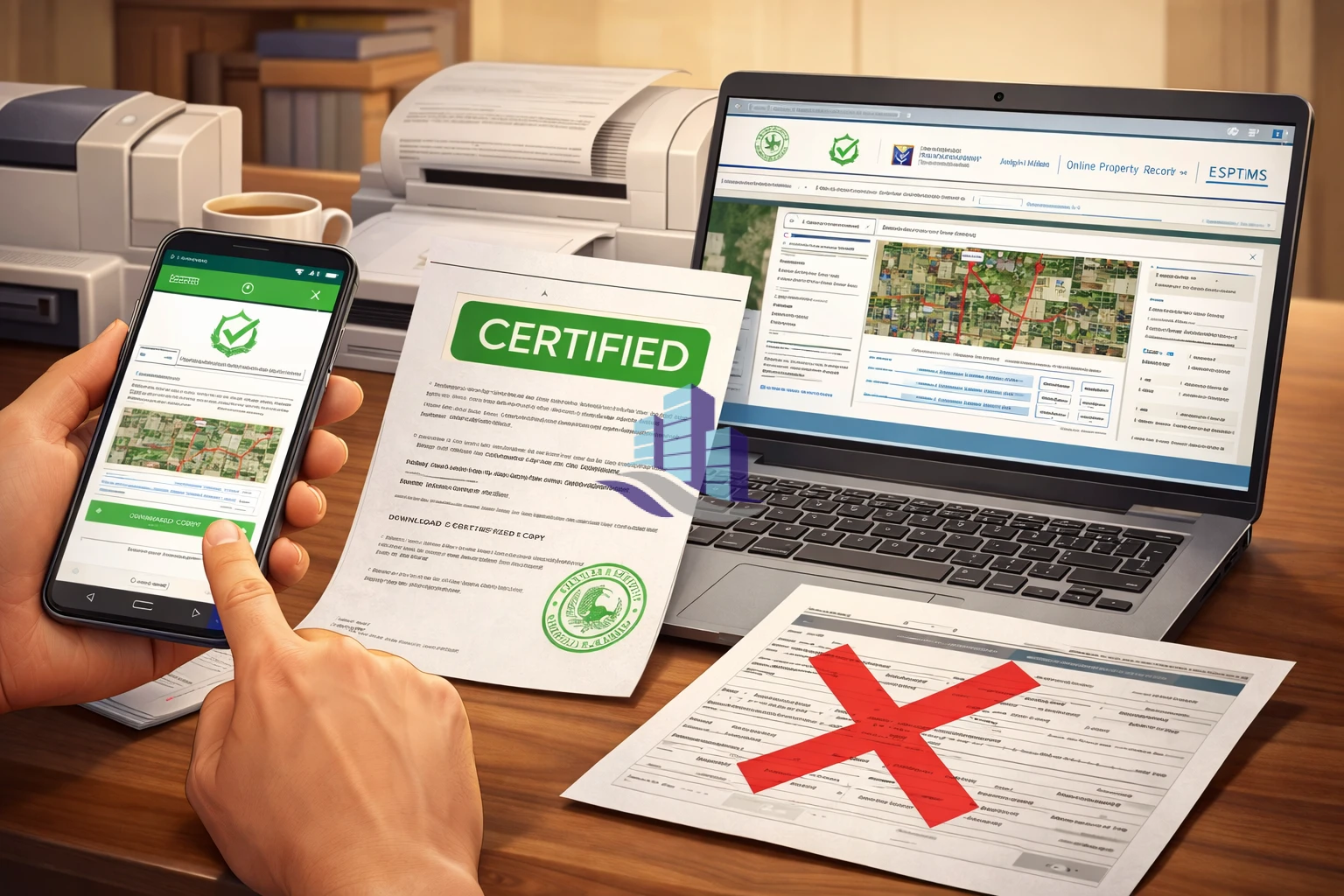
Check Property Records Online
You can check property records online from home:
- Punjab: lms.punjab.gov.pk
- Sindh: ssrims.sindh.gov.pk
- KPK: epatwar.kp.gov.pk
Always download the official certified copy. Do not take a simple screenshot to court. it will not be accepted.
Problems People Face and How to Avoid Them
Problem | Solution |
Papers are missing | Get all certified copies ready before filing the case. |
Family is not cooperating. | Try to resolve the matter peacefully first. It is better to involve a lawyer early. |
Filed in the wrong court | Always file the case in the court of the same area where the property is located. |
Case is taking too long | Submit all required documents on time and respond to court notices quickly |
Final Words
The legal division of joint property in Pakistan is your right. No one can take it away from you. The most easy way is to agree with all co-owners and sign a Partition Act. This is fast and cheap. If that is not possible, go to court.
Make sure all your papers are ready. Hire a good lawyer. Follow all court steps carefully. Knowing the partition of property law in Pakistan and the correct court procedure for property partition helps you protect your share and avoid unnecessary fights.
If you're interested in any property sale or purchase, do contact us. We provide the best estate services in Faisalabad.
Contact us for:
House for sale
House for rent
Room for Rent
Flat for Rent
Ideal Farm House
Commercial Avenues